Cream Massage vs Oil Massage: Which Suits Dry, Oily or Sensitive Skin Better?
October 27, 2026
What Is a Wine Massage? Ingredients, How It Feels & Who Should Skip It
November 3, 2026Bamboo Massage Explained: The Technique, the Pressure and What to Expect
Bamboo massage is one of those treatments that sounds unusual the first time you see it on a spa menu. Sticks of bamboo on your back? Will it hurt? And how is it different from a regular massage?
This guide explains it in simple terms. We cover how the technique works, how firm the pressure feels, what happens during a session, and who should avoid it, so you can decide if it is right for you.
What Is Bamboo Massage?
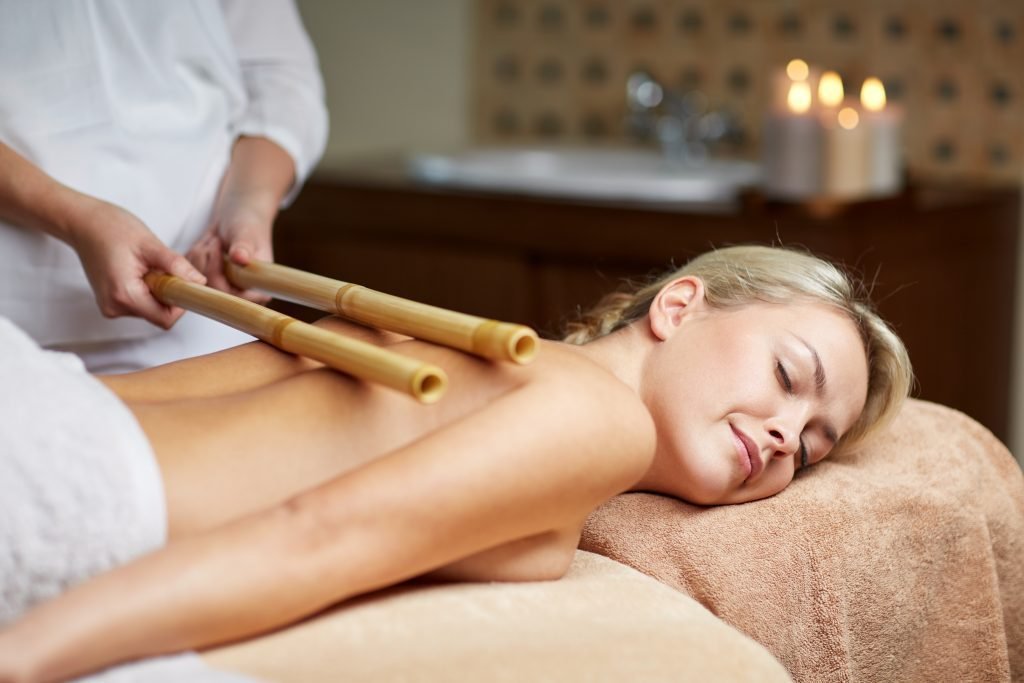
Bamboo massage is a massage technique where the therapist uses smooth bamboo sticks, along with their hands, to roll, glide and press over the muscles. The bamboo works like an extension of the therapist’s hands and arms.
The sticks come in different lengths and thicknesses. Longer, wider pieces cover large areas such as the back and thighs. Shorter, thinner pieces reach smaller areas like the shoulders, arms and calves.
It is a relatively modern spa technique. It draws on the long history of bamboo in Asian wellness and daily life, but the full-body method used in spas today is fairly recent.
How Does the Technique Work?
A therapist uses the bamboo in a few different ways during a session. Each movement creates a slightly different feeling.
Technique | What the therapist does | How it feels |
Rolling | Rolls a stick along the muscles, like a rolling pin | Broad, even pressure over a large area |
Gliding | Slides the bamboo in long strokes with oil | Smooth and flowing |
Kneading | Presses and works shorter sticks into tight spots | Deeper and more focused |
Pressing | Holds the bamboo still on an area for a moment | Steady, firm pressure |
The therapist switches between their hands and the bamboo throughout the session. Oil or lotion is usually used so the sticks move smoothly over the skin.
Warm bamboo: some spas gently warm the bamboo before use. The warmth is mild and is meant to feel comforting, not hot.
How Much Pressure Does a Bamboo Massage Use?
This style is known for firm, even pressure. The bamboo spreads force across a wider surface than fingertips, so it can feel deep without feeling sharp.
That said, the pressure can be adjusted. A therapist can use a lighter touch, a smaller stick or slower movements if you prefer something gentler.
Here is how it compares to other common styles:
Massage type | Typical pressure | Main tool |
Swedish massage | Light to medium | Hands |
Hot stone massage | Medium | Hands and warm stones |
Deep tissue massage | Firm | Hands, forearms and elbows |
Bamboo massage | Firm, even | Hands and bamboo sticks |
In short: if you enjoy deep tissue massage, bamboo massage will likely feel familiar. If you prefer a gentle, soothing touch, a Swedish or aromatherapy massage may suit you better.
What to Expect During a Bamboo Massage Session
If this is your first bamboo session, knowing the steps can help you relax. A professional session usually follows this pattern.
- Consultation: the therapist asks about your preferred pressure, any tight areas and your health history.
- Changing: you change in private and lie on the massage table under a towel.
- Warm-up: the therapist starts with hand strokes to relax the muscles.
- Bamboo work: sticks of different sizes are rolled and glided over the back, legs, arms and shoulders.
- Pressure check-ins: the therapist asks how the pressure feels and adjusts it.
- Rest: you take a few minutes to get up slowly and drink some water.
You stay covered throughout, and only the area being worked on is uncovered. The therapist avoids pressing bamboo directly on bony areas such as the spine, knees and elbows.
How it may feel afterwards
Most people feel loose and relaxed afterwards. Because the pressure is firm, some may feel mild tenderness the next day, similar to after a deep tissue massage. This should settle quickly. If you feel sharp pain or bruising, mention it to your therapist and your doctor.
Who Might Enjoy Bamboo Massage?
This technique tends to suit people who already know they like strong pressure. It is often chosen by:
- people who find regular massages too light
- desk workers who feel tight in the shoulders and upper back
- people who exercise regularly and enjoy firm pressure on the legs
- anyone curious to try a different technique from a standard oil massage
It is usually not the best choice for a very first massage. Starting with a lighter style helps you understand what pressure feels comfortable to you.
Who Should Avoid Bamboo Massage?
Because the pressure is firm, it is not right for everyone. Speak to your doctor before booking if you:
- are pregnant
- bruise easily or take blood-thinning medicine
- have osteoporosis or fragile bones
- have varicose veins or a history of blood clots
- have had recent surgery, a fracture or a muscle injury
- have a skin condition, rash, open wound or sunburn
- have a fever or feel unwell on the day
Why does this matter? Firm pressure can be uncomfortable or unsafe for fragile bones, delicate blood vessels or healing tissue. Always share your health history with your therapist before the session.
Please remember: massage is for relaxation and wellbeing. It is not a medical treatment and does not replace advice from a doctor or physiotherapist.
Bamboo Massage vs Deep Tissue Massage
People often ask whether 0is just deep tissue massage with sticks. They are similar in pressure, but the experience is different.
Point of comparison | Bamboo massage | Deep tissue massage |
Main tool | Bamboo sticks and hands | Hands, forearms and elbows |
Pressure | Firm and evenly spread | Firm and often very focused |
Feel | Rolling, gliding, broad strokes | Slow, targeted strokes |
Best for | People who like strong, even pressure | People who want focused work on tight spots |
Neither is better for everyone. It comes down to whether you prefer broad, even pressure or slow, pinpointed work.
Tips for Your First Bamboo Massage
A little preparation can make your first session more comfortable.
- Eat lightly and avoid a heavy meal just before your session.
- Share your health history, including injuries, medicines and sensitive areas.
- Ask about hygiene. A professional spa should clean or seal its bamboo sticks between guests.
- Speak up about pressure. Ask for lighter or firmer pressure at any time.
- Drink water afterwards and take it easy for the rest of the day.
Frequently Asked Questions
What is bamboo massage?
Bamboo massage is a technique where a therapist uses smooth bamboo sticks of different sizes, along with their hands, to roll, glide and press over the muscles. It usually gives firm, even pressure across large areas like the back and legs.
Does bamboo massage hurt?
Bamboo massage should not hurt. It uses firm pressure, which can feel intense in tight areas, but it should never feel sharp or painful. Tell your therapist straight away if the pressure is too strong so they can adjust it.
Is bamboo massage the same as deep tissue massage?
No. Both use firm pressure, but bamboo massage spreads that pressure evenly with bamboo sticks, while deep tissue massage uses hands, forearms and elbows for slower, more focused work on specific tight spots.
Is bamboo massage good for beginners?
Bamboo massage is usually better for people who already enjoy firm pressure. If it is your first massage, a lighter style such as Swedish or aromatherapy is often a more comfortable starting point.
Who should not get a bamboo massage?
People who are pregnant, bruise easily, take blood thinners, have osteoporosis, varicose veins, blood clots, recent injuries or skin conditions should speak to their doctor before trying bamboo massage.
Conclusion
Bamboo massage is a firm, rhythmic technique that uses smooth bamboo sticks to roll and glide over the muscles. It suits people who enjoy strong, even pressure and want something different from a standard oil massage.
The key things to remember are simple. Share your health history, choose the pressure that feels right for you, and speak up at any point during the session. If you are pregnant, have fragile bones, circulation problems or a recent injury, check with your doctor first.
Understanding how it works helps you make a confident, informed choice about whether it is right for your body.