What Is a Wine Massage? Ingredients, How It Feels & Who Should Skip It
November 3, 2026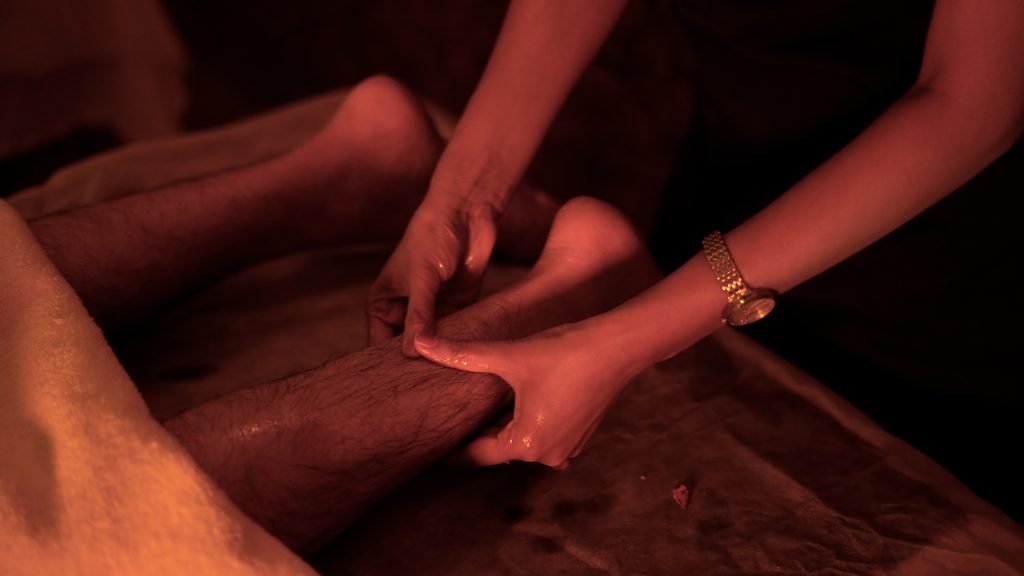
Foot Reflexology Guide to Techniques, Session Expectations and Who May Benefit
After a long day on your feet, a few minutes of pressure on your soles can make your whole body feel calmer. That simple experience is why many people ask what foot reflexology really is and whether it works.
Foot reflexology is a hands-on therapy where a trained therapist presses specific points on your feet. It is a complementary therapy meant for relaxation, not a replacement for medical care. The idea that each point links to an organ has not been proven, but many people find a session comforting.
This guide explains the techniques, what a reflexology session feels like, the benefits people report, and who should check with a doctor first.
TL;DR
- Foot reflexology is a complementary therapy that uses pressure on specific foot points. It supports relaxation and does not replace medical care.
- The foot reflexology benefits people report most are stress relief, comfort for tired feet and a better mood.
- A reflexology session lasts about 30 to 60 minutes and should feel firm, never painful.
- Check with a doctor first if you are pregnant, have diabetes, blood clots, open foot wounds or a recent foot injury.
What Is Foot Reflexology and How Does It Work
Foot reflexology is a complementary therapy in which a trained therapist applies steady pressure to areas of the foot called reflex points. Practitioners believe these points match different body areas. Research has not confirmed that theory, but the calming touch may support relaxation and comfort.
The reflex zone map
Reflexology charts treat the foot like a small map of the body. The toes relate to the head, the arch to the digestive area, and the heel to the lower back and hips. Therapists use this map to decide where to press.
Here is the honest part. Studies have not shown that these zones work exactly as the charts describe. Treat the map as a traditional framework, not a proven medical tool.
What may explain the relaxed feeling
Slow, rhythmic touch may calm the nervous system and ease muscle tension. Massaging tired feet can also reduce stiffness and make them feel lighter. Lying back for 30 to 60 minutes with focused care is restful on its own.
Foot reflexology is generally considered low risk for healthy people when a trained practitioner does it. It should never be seen as a cure for any condition.
Foot Reflexology Techniques Therapists Use
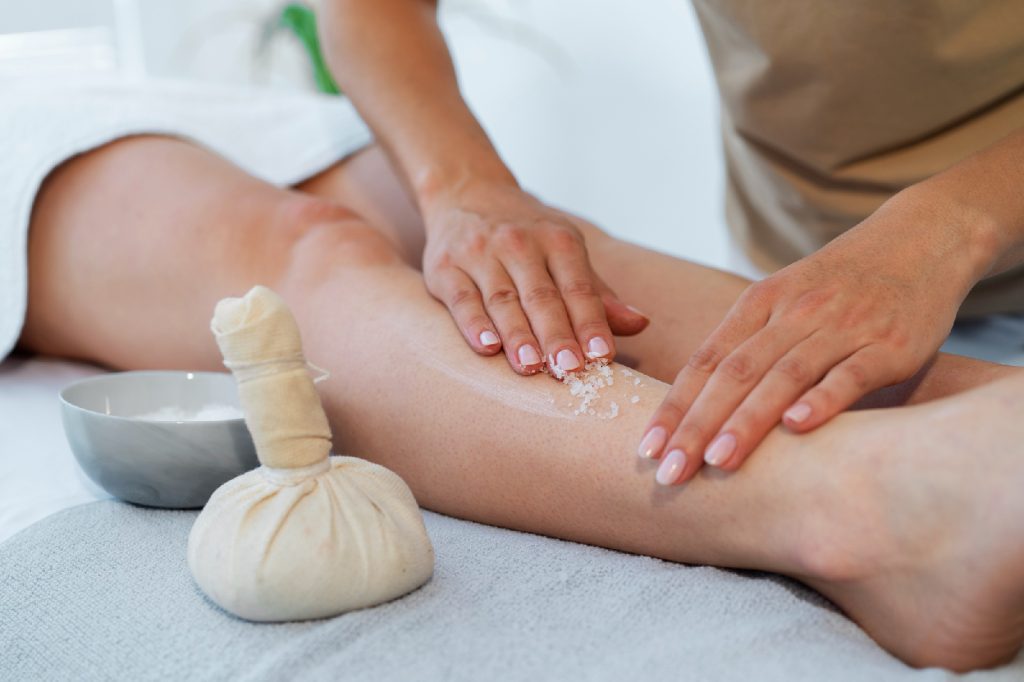
Common foot reflexology techniques include thumb walking, finger walking, hook and back-up, point rotation and ankle circles. Each movement applies pressure in a different way, from steady and firm to light and soothing. A good therapist adjusts the technique and pressure to your comfort.
Technique | What it involves | How it feels |
Thumb walking | The thumb moves in small, caterpillar-like steps across the sole | Steady, firm pressure |
Finger walking | Fingers move in similar steps over the top of the foot | Light and soothing |
Hook and back-up | A thumb presses a point and pulls back slightly | Focused pressure on a small spot |
Point rotation | The thumb holds a point while the foot is gently rotated | Deep but controlled |
Ankle circles and stretches | Gentle movements loosen the joint | Loosening and easy |
Therapists often combine several techniques in one session. A general example is starting with ankle circles to loosen the joint, moving to the thumb walking along the sole, and finishing with light finger walking over the top of the foot. The order can vary, so ask your therapist what to expect.
Foot pressure-point massage
Foot pressure-point massage uses sustained pressure on points along the sole, heel and toes. It can feel slightly intense at first and then relaxing. The pressure should feel firm, never painful, so tell your therapist if a spot is too sore.
Foot Reflexology Benefits and What the Evidence Says
The main foot reflexology benefits are relaxation, stress relief, comfort for tired feet and a better mood. Some studies suggest it may ease stress and anxiety, but evidence for other health claims is limited or mixed. It is best viewed as a relaxation tool.
Reported benefit | What to know |
Stress relief | The most common benefit. Some studies suggest it may lower stress and anxiety. |
Calmer feeling before sleep | Many people feel relaxed afterward, but results vary from person to person. |
Relief for tired, achy feet | Massage-based touch often eases foot fatigue after long days. |
Better mood | People often feel lighter and more positive after a session. |
Comfort during illness | Sometimes used alongside medical care to ease anxiety. Evidence is limited. |
Be careful with big promises. Foot reflexology cannot treat diabetes, infertility or high blood pressure. If a provider says it can, question that claim.
If you are living with a health condition, talk to your doctor before adding reflexology to your routine. It should sit beside medical care, never replace it.
What to Expect in a Reflexology Session
A reflexology session usually lasts 30 to 60 minutes. It begins with a short health consultation and a foot check, followed by pressure-point work and a calming finish. You can ask the therapist to change the pressure at any time.
Step by step
- Short consultation. The therapist asks about your health, medicines, pregnancy and any foot problems.
- Foot check and cleaning. Your feet are cleaned and checked for cuts, swelling or infection.
- Settling in. You sit or recline comfortably while a light warm-up massage begins.
- Pressure-point work. The therapist works through the sole, toes, heel and ankle with the techniques above.
- Wind-down. Calming strokes end the session, and you receive simple aftercare tips.
Some spots may feel tender, and that is normal. Afterward, many people feel sleepy, relaxed or a little thirsty.
Foot reflexology vs regular foot massage
Both feel good, but they are not the same. Many spas blend the two, so you can enjoy flowing strokes along with focused point work.
Feature | Foot reflexology | Regular foot massage |
Focus | Specific reflex points | Muscles and soft tissue |
Approach | Targeted pressure guided by charts | Flowing, rubbing strokes |
Main goal | Whole-body relaxation | Easing foot tension |
Pressure | Firm and point-based | Light to firm |
Who May Benefit From Foot Reflexology and Who Should Check First
Foot reflexology may suit people with stressful routines, long standing hours or desk-bound days who want a gentle, non-invasive way to relax. People who are pregnant, have diabetes, circulation problems or foot injuries should talk to a doctor before booking.
Who may enjoy it
- People with a stressful routine who want a calming break
- Teachers, retail staff and hospitality workers who stand for long hours
- Desk workers who feel stiff or restless by evening
Who should speak to a doctor first
- Anyone who is pregnant, especially in the early months
- People with diabetes or nerve damage in the feet
- Anyone with blood clots or circulation problems
- People with open wounds, infections or a gout flare in the feet
- Anyone with a recent foot surgery or fracture
This guide is for general awareness and is not medical advice.
Choosing a Place for Foot Massage in Hyderabad
When choosing foot massage in Hyderabad, look for a clean, calm space and therapists who ask about your health before starting. Check that session length and pricing are clear. A good provider will adjust pressure or decline treatment when it is not safe for you.
Before booking, ask a few simple questions. Ask how long the session lasts, what it costs, and whether the therapist can work around your health needs. Clear answers are a good sign.
Clean towels and a tidy treatment area also matter. They show that the team takes hygiene seriously.
You can ask The Bali Spa team about foot reflexology and foot massage options, and talk through your comfort needs before you book. Visit thebalispa to learn more.
Frequently Asked Questions
What is foot reflexology?
Foot reflexology is a therapy where a trained therapist applies pressure to specific points on the feet, mainly for relaxation and stress relief. It does not replace medical treatment. The points come from charts that link foot areas to body parts, although that link is not proven.
Is foot reflexology painful?
It should not be. You may feel firm pressure or mild tenderness at some points, but it should never feel sharp or unbearable. Tell your therapist to lighten the pressure whenever you need.
How often can I have a reflexology session?
There is no fixed rule. Many people book weekly or monthly for relaxation. If you have a health condition, follow your doctor’s advice.
Can foot reflexology treat health conditions?
No. Research does not show that it cures conditions such as diabetes, infertility or high blood pressure. Some people use it alongside medical care for comfort and calm, so discuss it with your doctor first.
What should I do before and after a session?
Avoid a heavy meal beforehand and wear loose, comfortable clothing. Tell your therapist about any pain or injury. Afterward, drink water and rest for a while.
Conclusion
Foot reflexology is a gentle therapy built on focused pressure and caring touch. Science has not proven that each foot point links to an organ, yet many people find a reflexology session a simple way to unwind. Keep your expectations realistic, share your health details with your therapist, and treat it as relaxation rather than a cure.
Ready to give your tired feet some care? Contact The Bali Spa through thebalispa.co to ask about foot reflexology and book your session.