Hot Stone (Volcano Stone) Massage: What It Is, How It Feels and Who Should Skip It
October 24, 2026
Bamboo Massage Explained: The Technique, the Pressure and What to Expect
October 30, 2026
Cream Massage vs Oil Massage: Which Suits Dry, Oily or Sensitive Skin Better?
You booked a massage to relax. Then you walk out feeling slick, your shirt sticks to your back, and there is a meeting in 40 minutes. Sound familiar?
That is why more guests now ask us about cream massage vs oil massage. Both feel good. Both help tight muscles let go. But they behave very differently on your skin and on your day. The right choice depends on your skin type, the weather, and what you plan to do after your session.
Key Takeaways
- Cream absorbs; oil lingers. Cream sinks into the skin as the massage goes on. Oil stays on the surface longer, which gives a smoother glide but leaves more residue.
- Dry skin loses water from its outer layer. Low humidity, long hot showers and harsh soaps all make it worse.
- Fragrance reactions are real but not rare. Fragrance allergy affects roughly 0.7% to 2.6% of the general population, per a review on PubMed.
- Fragrance-free products lower the risk of contact dermatitis, as Cleveland Clinic advises.
- Cream suits office days, oily or acne-prone skin, and humid weather. Oil suits very dry skin, deep relaxation and slow evenings.
- Always mention allergies, rashes or skin conditions to your therapist before any massage.
What Is a Cream Massage?
A cream massage uses a rich, lotion-like cream instead of massage oil. The therapist warms it in their hands and works it into your skin with long, steady strokes.
As the session goes on, the cream slowly absorbs. By the end, your skin feels soft and moisturised, not greasy. You can explore our signature cream massage to see how the session flows.
Main Cream Massage Benefits
- Non-greasy finish: Most of the cream soaks in, so you can dress and leave quickly.
- Moisture boost: It works like a full-body moisturiser applied with care.
- More grip for the therapist: Cream has slightly more “drag,” which helps with focused pressure on knots.
- Gentle on clothes and hair: Less residue means fewer oil stains.
What Is an Oil Massage?
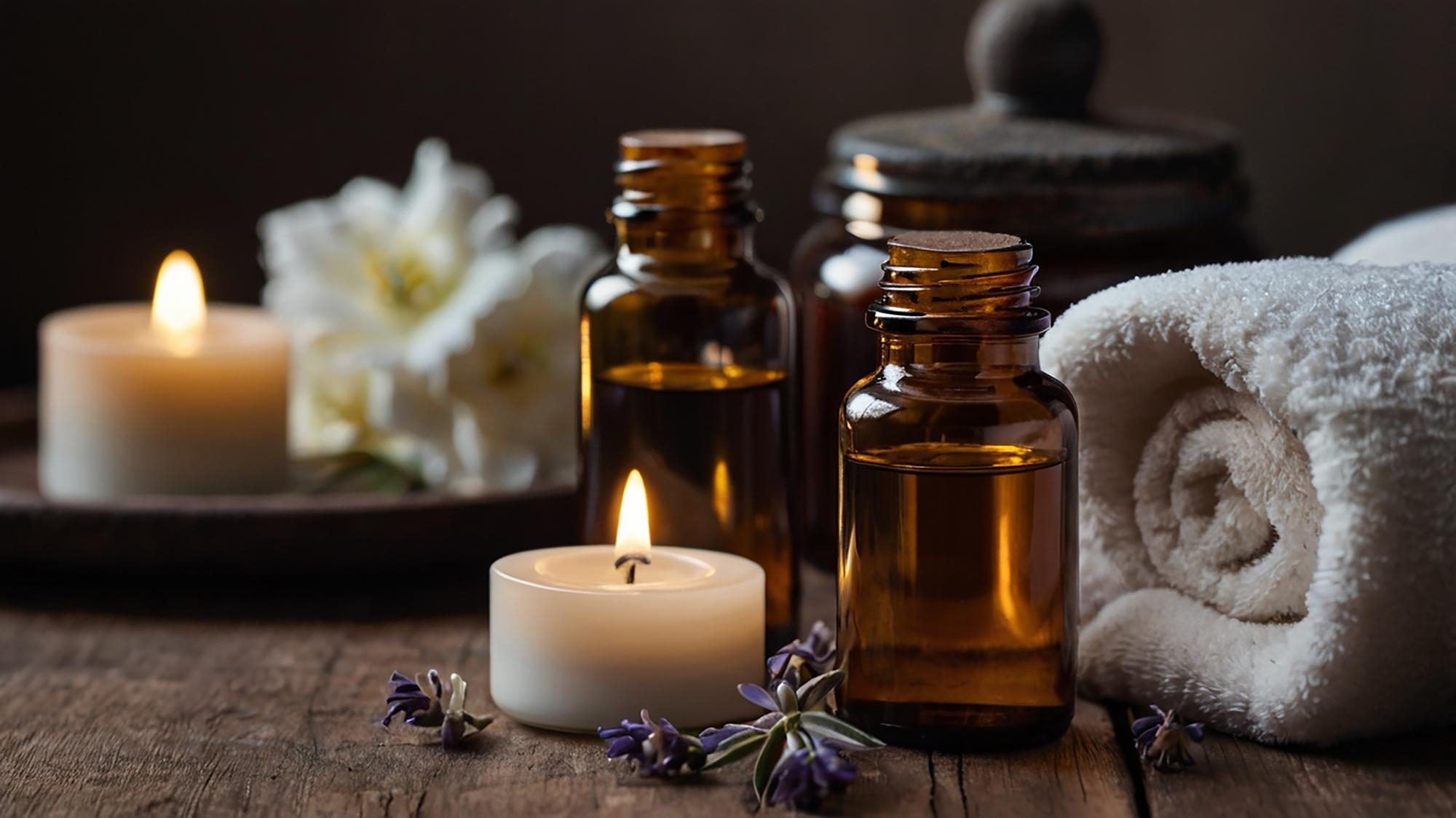
An oil massage uses warm plant-based oils such as sesame, coconut or almond. The oil creates a smooth, continuous glide across the body.
Oil massage has deep roots in Balinese and Ayurvedic traditions. Warm oil feels comforting and helps many people slip into a deeply relaxed state. Our full-body hot oil massage is a favourite for this reason.
Where Oil Shines:
- Long, flowing strokes with no tugging
- A warm, cocooning feel that suits stress relief
- Extra comfort for very dry or rough skin
- A slower, more ritual-like experience
Cream Massage vs Oil Massage: Side-by-Side Comparison
Factor | Cream Massage | Oil Massage |
Texture on skin | Soft, light, absorbs over time | Slippery, stays on the surface |
Residue after session | Very little | Noticeable unless you shower |
Glide | Moderate, with some grip | High, very smooth |
Pressure control | Easier to hold firm, targeted pressure | Better for long, sweeping strokes |
Best for | Oily, combination or acne-prone skin; busy days | Very dry skin; deep relaxation |
Post-massage plans | Back to work or errands | Home, rest, a warm shower |
Hyderabad season fit | Humid monsoon, hot afternoons | Dry summer and winter months |
Cream vs Oil Glide and Pressure: Why It Matters
Glide changes how the massage feels. Oil lets the therapist’s hands move in long, unbroken sweeps. That rhythm is soothing, but it can make deep, still pressure on one spot a little harder to hold.
Cream gives a touch more friction. This helps therapists “hook” into tight shoulders or a stiff lower back without slipping.
Therapist’s note: If you like firm pressure on specific knots but hate feeling oily, cream is often the sweet spot.
Neither is “stronger.” Pressure depends on your therapist and on what you ask for. The medium simply changes the feel.
Skin-Type Decision Table
Not sure which to pick? Start here.
Your Skin | Suggested Medium | Why |
Dry or flaky | Oil, or a rich cream | Both help lock in moisture; oil lasts longer |
Oily | Cream | Less surface residue |
Acne-prone (back or chest) | Cream, non-comedogenic if possible | Some heavy oils may clog pores in some people |
Sensitive or reactive | Fragrance-free cream or plain oil | Fewer added ingredients, less chance of irritation |
Combination | Cream | Balanced moisture without heaviness |
Sun-exposed or warm | Light, cooling cream | Feels gentler on heated skin |
1. Is Cream Massage Good for Oily Skin?
Yes, for most people. Cream absorbs rather than sitting on top, so it leaves little shine. If you get breakouts easily, ask for a lighter, fragrance-free cream.
2. Does Oil Massage Cause Breakouts?
It can for some people, though not for everyone. Heavier oils such as coconut may clog pores on acne-prone skin. Showering soon after an oil session and mentioning your skin concerns to your therapist both help.
3. What Is the Best Massage for Sensitive Skin?
The one with the fewest added ingredients. Strong fragrances and essential oils are common triggers. A plain, unscented cream or oil is usually the safest place to start.
Massage for Dry Skin: Why Cream and Oil Both Help
Dry skin happens when the outer layer loses water. Moisturisers help by forming a light barrier on top. As Mayo Clinic puts it:
“Moisturizers provide a seal over your skin to keep water from escaping.” — Mayo Clinic
So a massage for dry skin works best when the product stays on long enough to do its job. Oil holds on longer. Cream gives a softer finish you can wear out of the door. For very dry skin, a cream massage for moisturising skin is a good middle path if you cannot go home straight away.
Pair your session with smart home habits too. Our summer skin care guide covers simple ways to keep skin hydrated between visits.
Hyderabad Climate: Which Medium Fits Which Season?
Hyderabad’s weather swings a lot through the year, and your skin notices.
1. Dry Summers (March to June)
Hot, dry air pulls moisture from skin. Many guests feel tight and flaky by May. Oil massage feels nourishing now, especially in the evening. If you have been out in the sun, a light cream feels gentler and less heavy on warm skin.
2. Humid Monsoon (July to September)
Sticky air plus oil can feel uncomfortable. This is when a non-greasy massage option makes the most sense. Cream keeps skin soft without adding to that damp, heavy feeling.
3. Cooler Months (November to February)
Skin often dries out again as humidity drops. Oil comes back into its own, as does a richer cream.
4. Massage After Sun Exposure
If your skin is red, peeling or sunburnt, skip the massage on those areas and let it heal first. Mildly warm, sun-exposed skin usually does better with a light, cooling cream than with heavy warm oil.
Your Post-Massage Plans: Office, Lunch Break or Evening?
Your schedule after the massage matters as much as your skin type.
- Heading back to work? Choose cream. It absorbs well, so you can put on office clothes without stains or shine.
- Squeezing in a lunch-break session? A 30 to 45 minute cream massage focused on the back, neck and shoulders fits neatly into a break.
- Going home to rest? Oil is perfect. Take a warm shower after an hour or two, then sleep well.
Patch Test and Allergy Note
Your safety comes first. Before any massage, please tell your therapist about:
- Known allergies, especially to nuts, fragrance or essential oils
- Eczema, psoriasis, rashes, cuts or recent sunburn
- Any skin treatment, such as peels or prescribed creams
- Pregnancy or ongoing medical conditions
If you have reactive skin, ask for a small patch test on your inner arm before the session. Watch for redness, itching or stinging. Nut-based oils such as almond are not suitable for anyone with a nut allergy. If a rash appears after any massage, rinse the area and see a doctor if it does not settle.
We do not make medical claims about massage. It supports relaxation and skin comfort, but it does not replace care from a dermatologist.
Patch Test and Allergy Note
The Bali Spa offers both cream and oil massages across our Hyderabad locations. Therapists can help you choose on the day based on your skin and plans.
- Miyapur: Easy for residents and office-goers along the Miyapur corridor. See current Miyapur offers.
- Manikonda: Handy for the Financial District and nearby IT offices.
- Nallagandla: A calm stop for families and professionals nearby.
- GSM Mall, Madeenaguda: Good for pairing a session with shopping or errands.
If you are booking a cream massage in Hyderabad for the first time, our first spa visit guide explains what happens from check-in to checkout.
Final Thoughts
There is no single winner in the cream massage vs oil massage debate. Oil offers a slow, warm, deeply nourishing ritual. Cream offers comfort, moisture and a clean finish that fits a busy day.
Think about three things: your skin type, Hyderabad’s season, and what you are doing next. Then choose the medium that fits. Still unsure? Book your visit at The Bali Spa in Hyderabad and let our therapists help you pick on the day.
Frequently Asked Questions
A cream massage leaves the least residue. The cream absorbs into your skin during the session, so you can dress and head out without feeling greasy.
Yes, it adds moisture while leaving a soft, non-sticky finish. For very dry or flaky skin, oil may last longer, so some people choose oil in winter and cream in the monsoon.
It can for some people with acne-prone skin, especially with heavier oils. Showering after your session and asking for a lighter oil or cream usually helps.
Most people find it just as relaxing. The glide is a little different, but pressure, rhythm and your therapist's skill matter far more than the medium.
Yes. A 30 to 45 minute back, neck and shoulder session works well, and cream means you can return to work without changing clothes.
Many people wait one to two hours so the skin can soak up some of the oil. Use warm, not hot, water so you do not strip away the moisture.