
Massage Spa Near Me: How to Choose the Right Balinese Spa in Your Neighborhood
August 11, 2026
What Is Kansa Massage? The Ancient Ritual Explained
August 18, 2026
Thai vs Balinese vs Deep Tissue Massage: Which One Is Actually Right for You?
The difference between Thai, Balinese, and Deep Tissue massage comes down to three things: how much pressure is used, whether oil is involved, and what problem the massage is actually built to solve. If you’ve ever stood in front of a spa menu unsure which one to pick, you’re not alone; most people choose based on the name alone, without knowing what each session really involves.
This guide breaks down what happens in each type of massage, who it’s genuinely suited for, and how to pick the right one instead of guessing and hoping it works out.
Why This Decision Actually Matters
A lot of people assume all massages are more or less the same experience with a different name attached. They’re not. Book the wrong one, and you might walk out either underwhelmed (too gentle for the tension you were hoping to release) or a little sore in a way you weren’t expecting (too intense for a first-timer). Getting this right isn’t about being picky, it’s about matching the treatment to what your body actually needs that day.
At The Bali Spa & Wellness in Miyapur, this is one of the most common questions our team gets asked at the front desk. So here’s the honest, detailed answer.
Thai Massage: Built for Stiffness, Not Stillness
Thai massage is the most physically active option of the three. It’s performed fully clothed, without oil, and combines two techniques: acupressure and assisted stretching. Your therapist applies firm, rhythmic pressure along specific points on your body while guiding you through a series of stretches that look a lot like yoga poses.
It’s less about lying still and relaxing, and more about being moved through the session. That’s exactly why it works so well for people dealing with tight hips, stiff shoulders, or the kind of full-body stiffness that builds up after long hours at a desk or a hard workout.
Thai massage is a good fit if:
- You sit for long hours and feel physically stiff, not just mentally stressed
- You want to improve flexibility, not just relax
- You’re an athlete or gym-goer looking for an active recovery session
- You don’t mind firmer, more direct pressure
It’s probably not the right pick if: you’re pregnant, recovering from a recent injury, or you specifically want a slow, quiet, lie-down-and-do-nothing kind of session.
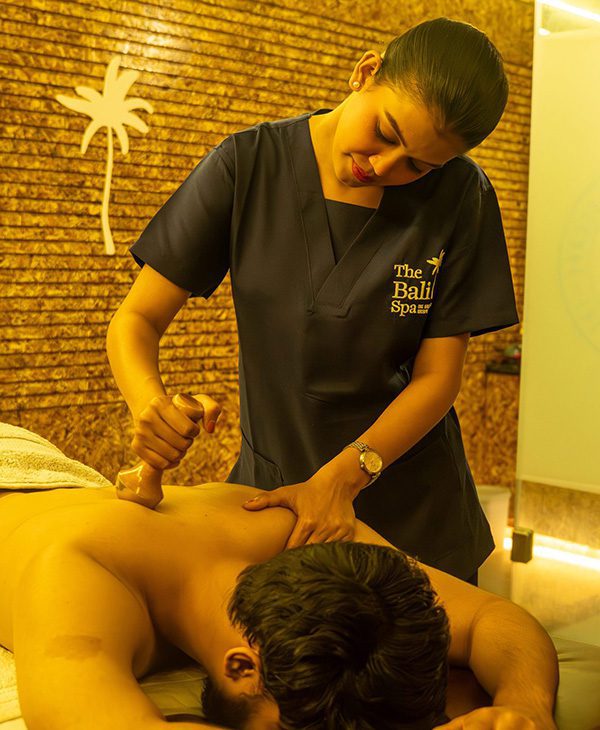
Balinese Massage: Built for Calm, Not Correction
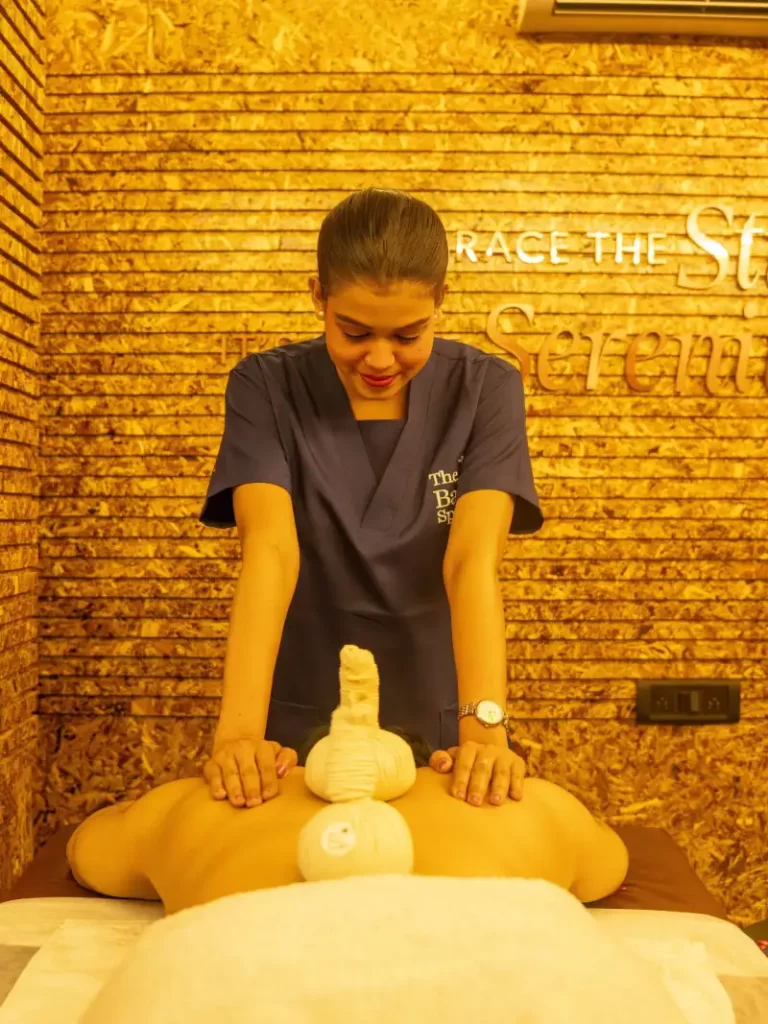
Balinese massage takes the opposite approach entirely. It’s an oil-based treatment using long, flowing strokes, gentle kneading, and light aromatherapy, performed at a slow, steady rhythm. There’s no stretching, no firm acupressure points, just consistent, calming pressure moving across your back, arms, legs, and shoulders.
Where Thai massage is trying to fix something (stiffness, tightness, mobility), Balinese massage is trying to help you switch off. It’s one of the gentlest massage styles available, which is exactly why it tends to be the first choice for people who’ve never had a professional massage before and aren’t sure what to expect.
Balinese massage is a good fit if:
- You’re dealing with everyday stress more than physical pain
- You want a slow, relaxing, sensory experience
- It’s your first time getting a massage and you’re a little nervous
- You just want to disconnect for an hour without being moved around
It’s probably not the right pick if: you have a specific, persistent muscle problem that needs real pressure to work through Balinese massage generally isn’t firm enough for that.
Deep Tissue Massage: Built for Recovery, Not Relaxation
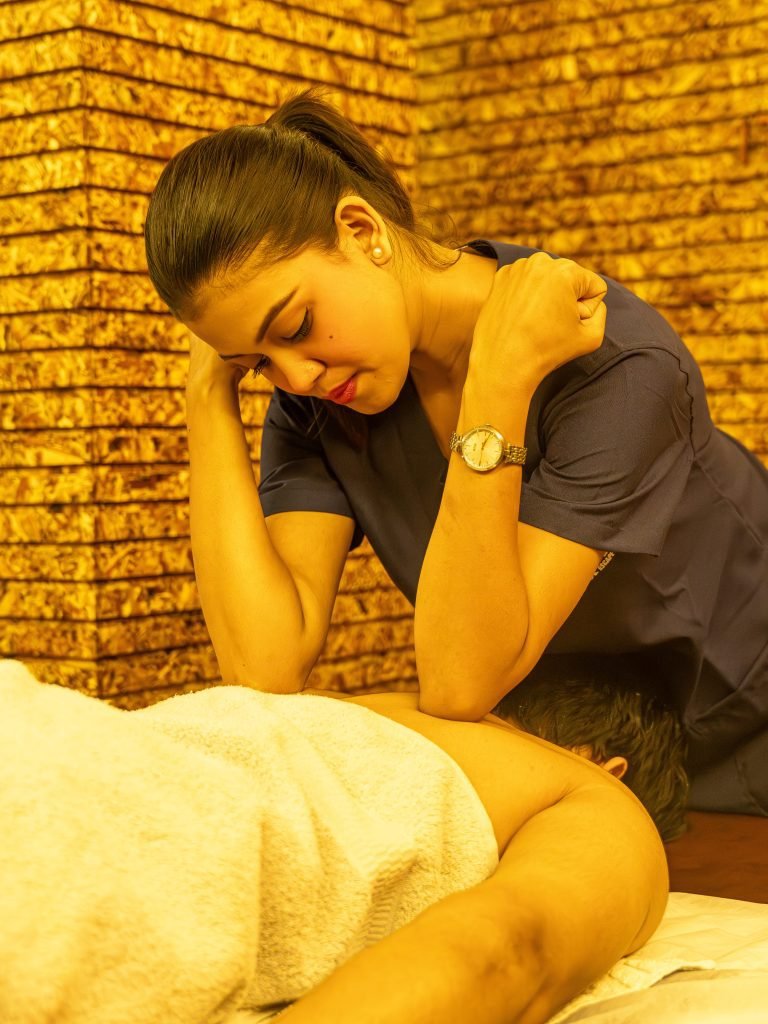
Deep tissue massage is the most targeted and the firmest of the three. It uses sustained pressure and slow, deep strokes that work into the deeper layers of muscle and connective tissue, not just the surface. This is the treatment built specifically for chronic tension, muscle recovery, and problem areas that a lighter massage simply won’t reach.
If you’ve been carrying tightness in your lower back for weeks, or you’re recovering from intense training and dealing with real soreness (not just everyday tiredness), this is usually the right call. It’s less about relaxation and more about actually working through a specific issue.
Deep tissue massage is a good fit if:
- You have chronic tension or a recurring problem area
- You’re an athlete recovering from training or competition
- You’ve tried a lighter massage before and it didn’t touch the tension
- You’re comfortable with firm, sustained pressure
It’s probably not the right pick if: it’s your very first massage ever the intensity can be a lot to start with, and a gentler option might be a better entry point.
Thai vs Balinese vs Deep Tissue: Quick Comparison
Thai Massage | Balinese Massage | Deep Tissue Massage | |
|---|---|---|---|
Oil used? | No | Yes | Yes |
Clothing | Fully clothed | Undressed, draped | Undressed, draped |
Pressure level | Firm, active | Light to medium | Firm, sustained |
Main goal | Flexibility & stiffness relief | Relaxation & stress relief | Chronic tension & recovery |
Best for beginners? | Moderate | Yes | Not usually recommended first |
This is really the core of the difference between Thai, Balinese, and deep tissue massage. Each one is solving a different problem, not just delivering the same relaxation in a different package.
So, Which One Should You Actually Book?
Here’s a simple way to think about it: if you’re stressed but nothing specifically hurts, go Balinese. If you feel stiff and want to move better, go Thai. If something specific has genuinely been bothering you for a while, go Deep Tissue.
And if you’re still unsure after reading all this, that’s completely normal, and it’s exactly what a quick consultation before your session is for. Our therapists at The Bali Spa Miyapur can ask a few quick questions and point you toward the right treatment, rather than you having to get the decision perfect on your own.
FAQs
What is the main difference between Thai, Balinese, and Deep Tissue massage?
Thai massage is done clothed without oil and focuses on stretching and stiffness relief. Balinese massage uses oil and long strokes for relaxation. Deep tissue massage uses firm, sustained pressure to target chronic muscle tension.
Which massage is best for lower back pain?
Deep tissue massage is generally the better choice for persistent lower back pain, since it reaches deeper muscle layers that lighter massages don’t target.
Which one is best for a first-time massage?
Balinese massage is usually the gentlest and most beginner-friendly option of the three.
Is Thai massage more intense than Balinese massage?
Yes. Thai massage uses firmer, active pressure with stretching, while Balinese massage is slower and lighter, focused purely on relaxation.
Can I combine two massage styles in one session?
Some sessions can be customized and ask our team when booking to see what combinations are available at The Bali Spa Miyapur.
Conclusion
At the end of the day, the difference between Thai, Balinese, and deep tissue massage isn’t about which one is “better” , it’s about which one matches what your body needs right now. Stiff and want to move more freely? Thai. Stressed and want to switch off? Balinese. Dealing with real, lingering tension? Deep tissue. However you’re feeling today, The Bali Spa & Wellness in Miyapur has certified therapists ready to guide you to the right session no guesswork required.