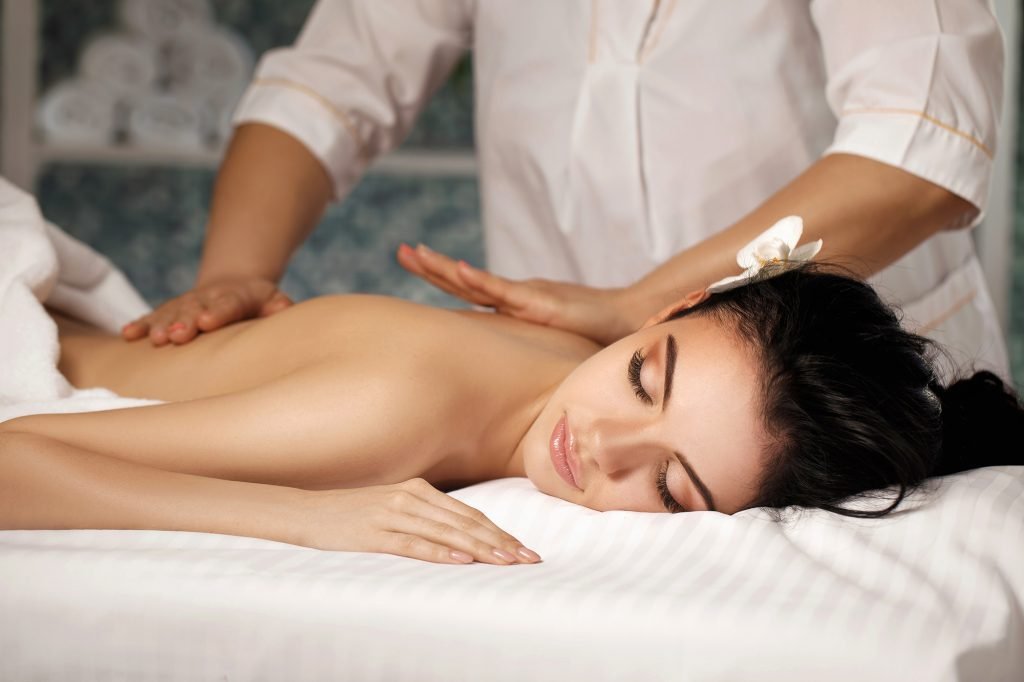
Thai vs Balinese vs Deep Tissue Massage: Which One Is Actually Right for You?
August 12, 2026
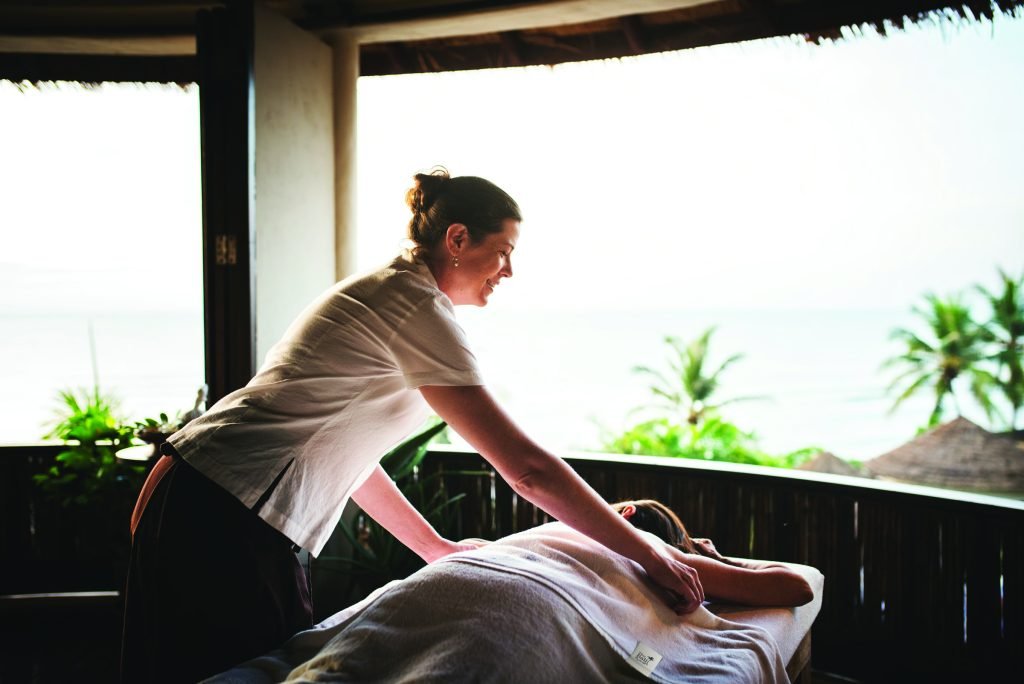
Office Neck & Back Pain Relief: How a Spa Massage Can Help You
August 19, 2026
What Is Kansa Massage? The Ancient Ritual Explained
If you’ve searched “what is Kansa massage,” chances are you’ve come across the name somewhere, maybe on a spa menu, maybe from a friend who swears by it and has no real idea what it actually involves. That’s fair. It’s not as widely known as a Swedish or deep tissue massage, even though it’s been practiced for centuries. This guide breaks down exactly what a Kansa massage is, how it works, what it’s genuinely good for, and what to expect if you book one.
What Is Kansa Massage?
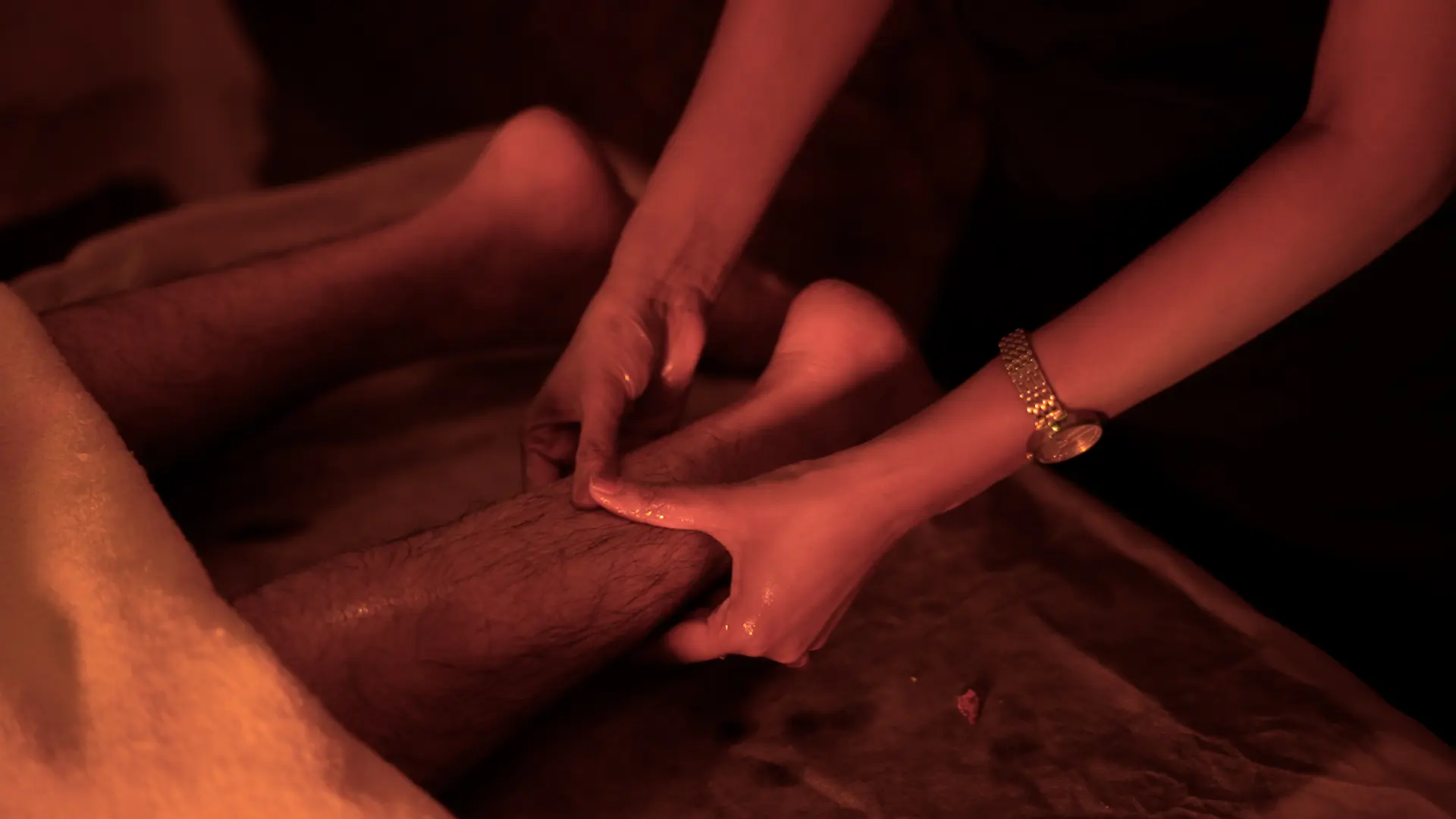
Kansa massage is a traditional healing technique that uses a specially shaped wand made from wood and Kansa, a bronze-like metal alloy long valued in Ayurvedic tradition for its healing properties. Instead of using bare hands for the entire session, your therapist works the wand across your skin with medium to strong pressure, usually alongside nourishing oils.
The technique is designed to reach into deeper muscle layers while the metal itself is believed to interact with the body in a way that promotes balance, something Ayurvedic practice has associated with detoxification and improved circulation for generations. It’s less about a quick rubdown and more about a slower, ritual-style treatment with real technique behind it.
Where Does Kansa Massage Come From?
The word “Kansa” refers to the specific metal alloy the wand is made from a blend that’s been used in Indian wellness traditions for hundreds of years, often linked to Ayurvedic beliefs around balancing the body’s energy and pH levels. The wand itself is typically shaped with a rounded, ergonomic edge, allowing a therapist to apply consistent pressure in smooth, sweeping motions rather than relying purely on hand strength.
It’s this combination of the metal, the technique, and the ritual pacing of the session that separates Kansa massage from a standard hands-only treatment.
What Are the Benefits of Kansa Massage?
Based on how the treatment is traditionally practiced and used at spas offering it, Kansa massage is generally associated with:
- Deep muscle relief — the wand’s pressure works into tighter layers of muscle that a lighter, hands-only massage might not reach
- Improved circulation — the rhythmic wand strokes are designed to encourage blood flow through the treated area
- A calming, grounding effect — the slow, deliberate pace of the ritual is part of what makes it feel different from a faster-paced massage
- Traditional detox and balance benefits — rooted in Ayurvedic belief around the metal’s alkaline properties and its association with the body’s pH balance
It’s worth being clear here: Kansa massage is a genuine, technique-based treatment with real, physical benefits from the pressure and circulation work involved. Some of the broader Ayurvedic claims around detox and energy balance are part of a long traditional belief system rather than something modern clinical research has independently confirmed worth knowing as context, without taking away from how effective people generally find the treatment for relaxation and muscle relief.
What Happens During a Kansa Massage Session?
If you’re booking your first Kansa treatment, here’s roughly what to expect:
- Consultation — your therapist will ask about any specific tension, sensitivities, or areas you’d like focused on.
- Oil application — a nourishing oil is applied to the treatment area to allow the wand to glide smoothly.
- Wand technique — your therapist uses the Kansa wand in rhythmic, medium-to-strong pressure strokes across the treatment area.
- Focus areas — extra time typically goes into areas holding the most tension.
- Closing — the session winds down with a few quieter minutes before you head out.
Many spas, including ours, offer Kansa treatment specifically as a foot massage, since the feet respond particularly well to this style of firm, grounding pressure it’s a popular, more accessible entry point into the ritual if you’re trying it for the first time.
Who Is Kansa Massage Best For?
Kansa massage tends to work particularly well for:
- People who want a deeper, more grounding treatment than a standard relaxation massage
- Anyone curious about traditional Ayurvedic wellness practices
- People dealing with tired, overworked feet, especially if you’re on your feet often
- Anyone looking for a slower, more ritual-style spa experience rather than a quick session
It may not be the right first choice if you’re specifically looking for a very light, gentle massage the wand technique typically involves firmer pressure than something like a Balinese massage.
Is Kansa Massage Safe?
For most healthy adults, yes. As with any firm-pressure treatment, it’s worth mentioning any skin sensitivities, recent injuries, or health conditions to your therapist before the session begins, so pressure can be adjusted appropriately. If you’re pregnant or managing a specific medical condition, it’s a good idea to check with your doctor first, and let your therapist know when booking.
How Is Kansa Massage Different From a Regular Foot Massage?
A regular foot massage typically relies entirely on hands and thumbs to apply pressure. Kansa foot massage uses the metal wand specifically, which allows for a different, often deeper style of pressure across the sole and pressure points plus the added element of the traditional Ayurvedic technique the wand is built around. If you’ve had a standard foot massage before and want to try something with a different feel and a bit more ritual behind it, Kansa is a genuinely different experience, not just a rebranded version of the same thing.
Ready to Try It?
If you’ve read this far and you’re curious, the best way to actually understand what a Kansa massage feels like is to experience it. At The Bali Spa & Wellness in Miyapur, our certified therapists are trained in traditional Kansa wand technique, offered as a dedicated foot treatment in a calm, private setting.
FAQs
What is Kansa massage?
Kansa massage is a traditional Ayurvedic technique that uses a wand made from wood and the Kansa metal alloy, applied with firm, rhythmic pressure to relieve muscle tension and promote relaxation.
What is the Kansa wand made of?
It’s typically made from wood combined with Kansa, a bronze-like metal alloy long used in Ayurvedic wellness traditions.
Is Kansa massage the same as a regular foot massage?
No. A regular foot massage uses only hands, while Kansa foot massage uses the metal wand for a different style and depth of pressure, rooted in traditional technique.
Is Kansa massage safe for everyone?
It’s generally safe for healthy adults, but pregnant women or anyone with a medical condition should check with a doctor first and inform their therapist before the session.
What are the main benefits of Kansa massage?
It’s associated with deep muscle relief, improved circulation, and a calming, grounding effect, alongside traditional Ayurvedic beliefs around detox and balance.
Conclusion
So, what is Kansa massage, really? It’s a genuinely different, technique-driven treatment not just a massage with a fancy name attached. Rooted in Ayurvedic tradition and built around a specialized metal wand, it offers a deeper, more ritual-style experience than a standard massage, especially when tried as a foot treatment. If you’ve been curious about it, there’s no better way to understand it than trying it for yourself at The Bali Spa & Wellness in Miyapur.
Conclusion
So, what is Kansa massage, really? It’s a genuinely different, technique-driven treatment not just a massage with a fancy name attached. Rooted in Ayurvedic tradition and built around a specialized metal wand, it offers a deeper, more ritual-style experience than a standard massage, especially when tried as a foot treatment. If you’ve been curious about it, there’s no better way to understand it than trying it for yourself at The Bali Spa & Wellness in Miyapur.