
Body Massage in Hyderabad: 8 Massage Types Explained and How to Choose One
October 16, 2026
Hot Stone (Volcano Stone) Massage: What It Is, How It Feels and Who Should Skip It
October 24, 2026
Is Deep Tissue Massage Supposed to Hurt? Pressure, Next-Day Soreness & Recovery Explained
You book a deep tissue massage to fix that stubborn knot. Halfway through, the pressure feels intense. Is that normal, or is something wrong?
So, does deep tissue massage hurt? It can feel uncomfortable on tight spots, and you may feel a little sore the next day. But real pain, the kind that makes you flinch or hold your breath, is not part of a good session.
Key Takeaways
- Mild side effects are uncommon and short. In a study of 100 massage clients, about 10% felt minor discomfort afterwards. Most of it started within 12 hours and faded within 36 hours.
- Benefits often outlast the soreness. In the same study, 23% of clients reported extra benefits, such as better mood or sleep, that lasted beyond 48 hours.
- Massage can ease muscle soreness. A review of 11 studies with 504 people found massage lowered muscle soreness at 24, 48 and 72 hours after hard exercise.
- Serious harm is rare. The risk of harmful effects from massage appears low for most healthy adults.
- Pain is not the goal. Pressure should feel strong but manageable. If you tense up or hold your breath, it is too deep.
Does Deep Tissue Massage Hurt? The Honest Answer
Deep tissue massage works on deeper layers of muscle and connective tissue. To get there, your therapist uses slow strokes and firm, focused pressure.
That pressure often meets tight, sensitive areas. These spots can feel tender, achy or “sweet sore” while being worked on. That feeling is common and usually fine.
“Deep tissue should feel like a strong stretch you can breathe through. If you are bracing against it, the muscle is fighting back, and the work stops helping.”
Why Tight Muscles Feel Tender
Muscles that stay tight for weeks often become sensitive. Long desk hours, poor posture, heavy lifting and stress all play a part.
- Knots (trigger points) can feel sore when pressed and may send a dull ache to nearby areas.
- Stiff tissue has less blood flow, so it can feel tender at first.
- A stressed nervous system makes your body more sensitive to touch.
Good Pain vs Bad Pain: How to Tell the Difference
Knowing what to expect helps you speak up at the right time. Use this table during and after your session.
What you feel | “Good” discomfort | “Bad” pain: tell your therapist |
During pressure | Strong, achy, but you can breathe easily | Sharp, stabbing or burning |
Your body’s reaction | Muscles slowly soften | You tense up, hold your breath or pull away |
Location | Stays on the tight muscle | Shoots down an arm or leg, or causes tingling |
On a 1 to 10 scale | Around 5 to 7 | 8 or above |
The next day | Mild ache, like after a workout | Severe pain, swelling or large bruises |
A good therapist checks in with you. Still, you never need to wait for them to ask. Simple phrases like “a bit lighter, please” work perfectly.
Soreness After Deep Tissue Massage: Why It Happens
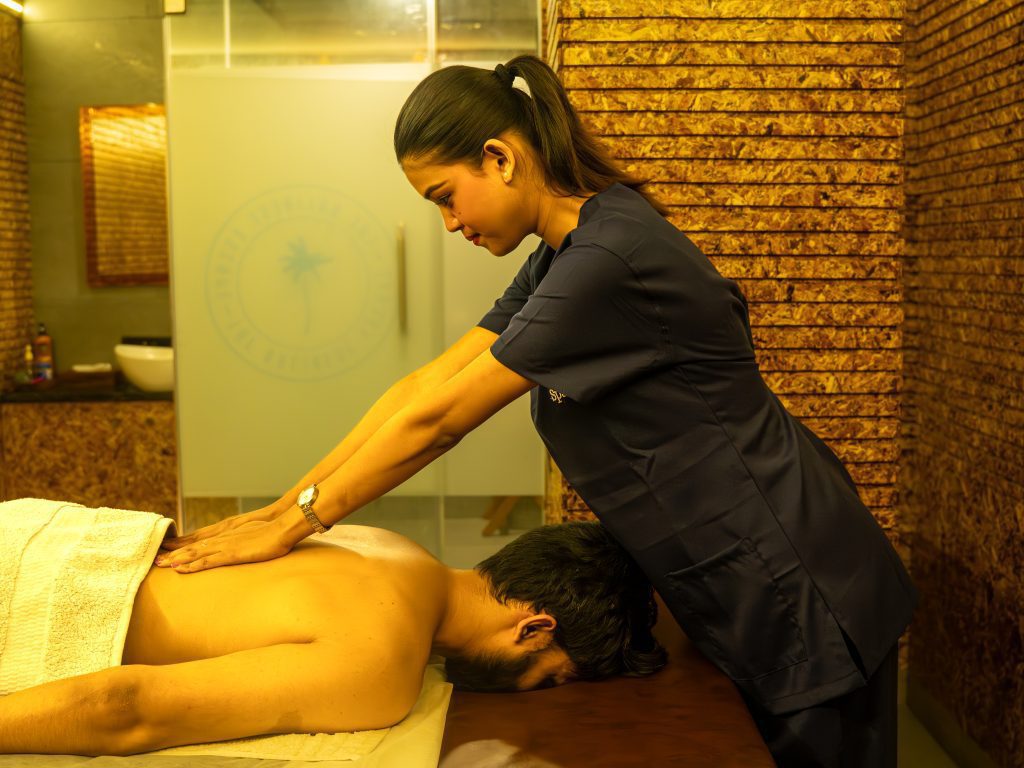
Feeling a little sore the next day is common, especially after your first session or after a long gap. Your muscles have been pressed, stretched and worked in ways they are not used to.
This feeling is often compared to the ache after a new workout. It tends to be dull, spread out and easy to move through.
What Soreness Usually Feels Like
- A mild ache in the areas that were worked on
- Slight tenderness when you press the muscle
- A heavy, tired feeling in the body
- Light stiffness when you first get up
What Soreness Should Not Feel Like
- Sharp or shooting pain
- Numbness, tingling or weakness
- Large, dark bruises or swelling
- Pain that gets worse each day
How Long Does Soreness Last After Massage?
For most people, soreness after deep tissue work fades within 1 to 2 days. Research supports this. In a 100-client study, most mild side effects began within 12 hours and settled within 36 hours.
- First 12 hours: mild ache may start
- Day 1: soreness often peaks
- Day 2: most of the ache fades
- Day 3 and beyond: you should feel looser than before your session
If soreness lasts longer than three days, or keeps getting worse, speak to your doctor.
Deep Tissue Massage Aftercare: What Actually Helps
Good aftercare helps your body settle and makes the benefits last longer. None of these steps are complicated.
Move Gently
- Take a short, easy walk the same day
- Do light stretches for the areas that were worked on
- Skip heavy gym sessions for 24 hours
Use Warmth
- A warm (not hot) shower helps tight muscles relax
- A warm compress can ease a sore neck or lower back
Drink Water and Rest
Drinking water helps you feel fresh after a session. You may have heard that massage “flushes out toxins,” but science does not support that claim. Water simply supports normal recovery and comfort.
- Eat a light, balanced meal
- Get a good night’s sleep
- Avoid alcohol on the day of your massage
Book Smart
- Leave 1 to 2 weeks between deep tissue sessions at first
- Mention any lasting soreness at your next visit so the pressure can be adjusted
Bali Spa tip: Plan your first deep tissue massage on a day when you can relax afterwards. A quiet evening helps your body make the most of the session.
Can Massage Help Soreness From Exercise?
Yes, and research backs this up. A Frontiers review of 11 studies found massage reduced muscle soreness at 24, 48 and 72 hours after intense exercise.
This makes deep tissue or sports-style massage a smart choice for gym-goers, runners and anyone with physically demanding work.
When Deep Pressure Is Not Safe
Deep tissue is safe for most healthy adults. Choose a gentle massage or check with your doctor first if you:
- Are pregnant
- Have a blood clot, deep vein thrombosis or take blood thinners
- Have osteoporosis, a recent fracture or recent surgery
- Have a fresh injury with swelling or bruising
- Have diabetes with numbness in your hands or feet
Red Flags After a Massage
Seek medical help quickly if you notice severe pain, spreading numbness, major swelling or very dark urine after a session. These are rare, but they need prompt care.
Deep Tissue Massage in Hyderabad at The Bali Spa
At The Bali Spa, our therapists start every session by asking about your pain, health history and pressure comfort. We then work at a level your body can accept, adjusting as you relax.
Not sure deep tissue is right for you? Read our guide to Swedish or deep tissue, explore our massage services, or book your session at Miyapur, Manikonda, Nallagandla or GSM Mall.
Final Thoughts: Strong Pressure, Never Pain
A good deep tissue massage should leave you looser, lighter and moving more freely. Some tenderness on tight spots and a mild ache the next day are normal. Sharp pain is not, and you always have the right to ask for less.
Ready for a session that respects your limits? Call or WhatsApp The Bali Spa today to book your deep tissue massage in Hyderabad, at Miyapur, Manikonda, Nallagandla or GSM Mall. Tell us where it hurts, and we will find the pressure that works for you.
Frequently Asked Questions
Yes, mild soreness for one to two days is common, especially after your first session. It usually feels like a dull ache after exercise. Sharp pain, swelling or large bruises are not normal and should be checked.
It can feel intense on tight spots, but it should never feel sharp or unbearable. You should be able to breathe slowly and stay relaxed. If you tense up, ask your therapist to ease the pressure.
Deep work relaxes your nervous system, which can leave you sleepy or calm. Some people also feel emotional as stress releases. These feelings usually pass within a few hours.
Light tenderness is normal, but bruising is not a sign of a good massage. Bruises can mean the pressure was too strong, or that you bruise easily. Tell your therapist next time, and see a doctor if bruising appears without a clear cause.
Gentle stretching and light movement are helpful. Avoid pressing hard on tender areas. Let the soreness settle before your next deep session.
Light activity like walking or easy stretching is fine. Skip heavy workouts for about 24 hours. Your muscles need time to settle after deep work.
For chronic tension, once a week or every two weeks often works well at first. Once you feel better, every three to four weeks can help maintain results. Your therapist can suggest a plan based on how you respond.
Share any injuries, health conditions, medicines and areas of pain. Also mention your pressure preference and whether you have had deep tissue before. This helps your therapist keep the session safe and effective.